When considering a new career, one of the first questions you should ask yourself is what is the future of this occupation? Especially when considering how technology might affect your job.
Workplace technology has advanced at a never-before-seen rate. The MIT Technology Review states that the pandemic has accelerated the move to a hybrid workplace, and also has amplified the use of technology in our workplace (Insight, 2020). A survey published by McKinsey & Company shows how “COVID-19 has pushed companies over the technology tipping point–and transformed business forever.” The survey explains that in the first few months of the pandemic, “the share of digital or digitally enabled products in their portfolios has accelerated by a shocking seven years.” Without a doubt, technology is playing a greater part in every workplace, so the question is how is it affecting the scoping industry?
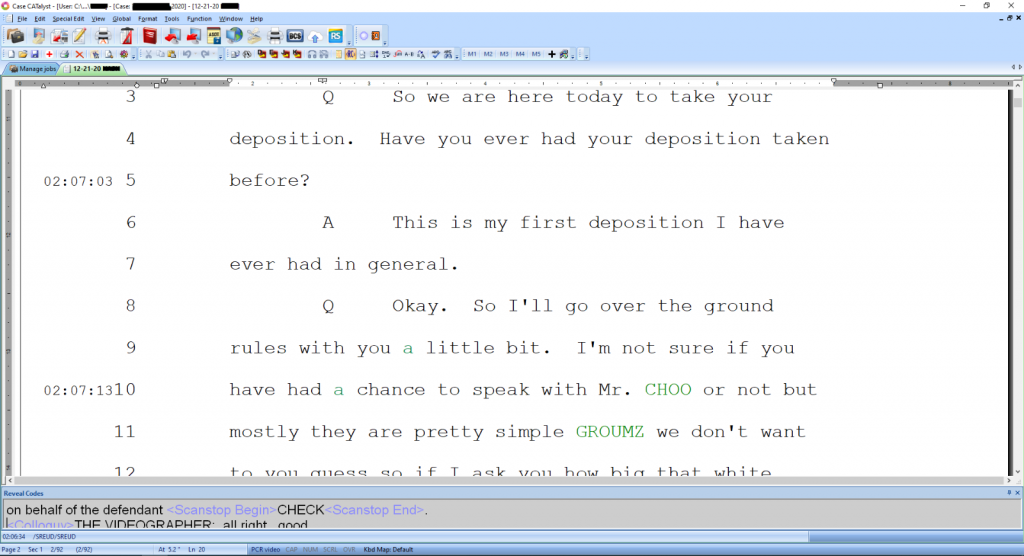
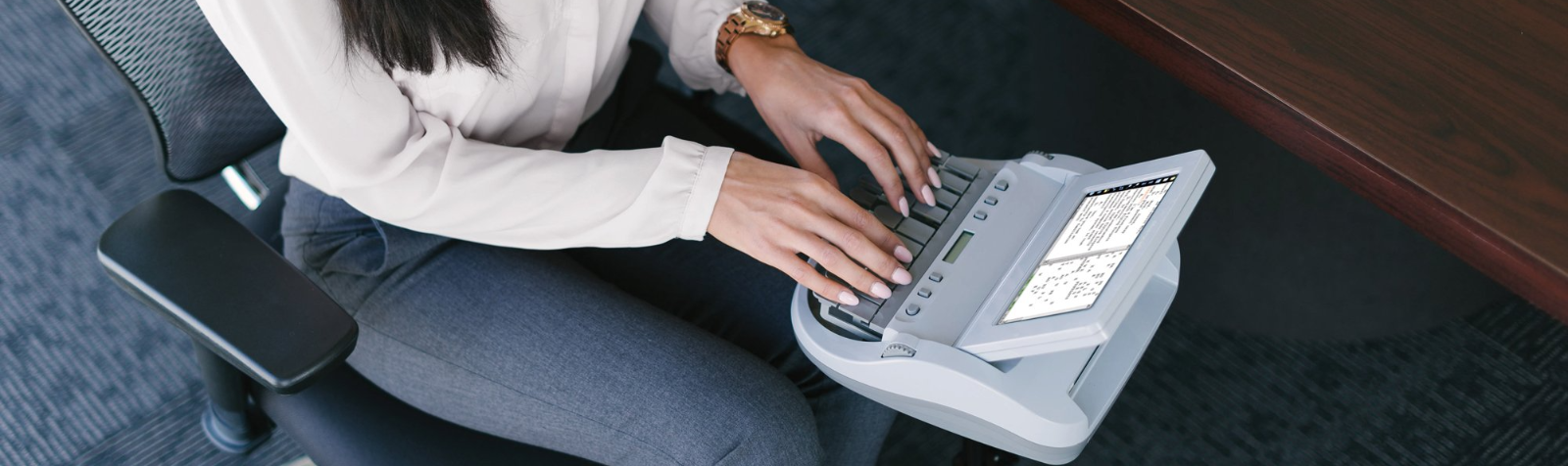
Technology and the future of scoping can be a controversial subject in the industry. Scoping and court reporting are linked, so to talk about one, we have to talk about the other. After a court reporter writes steno notes of the proceedings, a scopist then edits those files. Because we now have improved and more common audio to text technology, it’s a common misconception that court reporting will slowly be replaced by software that translates audio files to text and that technology will advance enough that scopists will be less and less in demand. However, the opposite is actually true. Even as technology advances, legal proceedings will still happen, and the transcripts from those proceedings will still need to be edited. Scopists fill that need. It’s controversial because court reporters feel it threatens their livelihood and it undermines the skill they possess. Like anyone, they do not appreciate the suggestion that they are replaceable by a machine. Nothing can replace the human brain.
Have you ever tried the voice to text option on your smartphone? What was the result? Were there still errors to correct? Yes? Exactly! Court reporters can do something that recording devices can’t. They can see the person talking, read lips, and they can process multiple people talking at once. Margie Wakeman Wells, an English instructor specializing in the court reporting industry and known for her best-selling reference text Court Reporting: Bad Grammar/Good Punctuation, calls it “You had to be there” punctuation, and sometimes, as a scopist, listening to the file, you have to trust the reporter. They were there. A scopist’s job relies on the court reporter’s transcript to be able to format and fix those kinds of errors, whether it be grammar, the spelling of industry jargon, or punctuation.
So, if the human court reporter is superior to any known machine, why are some court proceedings still turning to voice and video recordings and transcription services? To put it clearly, there is a serious shortage of court reporters. In addition, as in any industry, court systems and law firms are trying to save money. This creates a situation where digital reporting, video, or just audio recording becomes really tempting. The court reporter is getting cut out of the picture as proceedings get videotaped and sent straight to a transcriptionist. The demand for proceedings outweighs the availability of court reporters. Something needs to fill the gap. This is just a fact. It’s in the numbers.
While a scopist can choose to scope files from video and audio recordings, Scoping International really feels that having a court reporter at a proceeding is and will continue to be the best option. The other options are usually found wanting, and those who tried them come back to court reporters. The faculty at Scoping International states, “We really think more needs to be done to raise awareness that this industry exists, it’s viable, and will never disappear, at least not in the foreseeable future.” Whether you want to become a court reporter or a scopist, the future looks bright. Here at Scoping International, “We want to be a part of the future. Our goal is to bring awareness to these industries and help educate the next generation of scopists.”
For the foreseeable future, audio and video recording technology won’t affect scoping that much. However, the majority of court reporters are reaching retirement age, and as trained professional court reporters become less and less available, digital reporting and recordings will become the standard. Even though technology is playing a greater part in the workplace and is affecting the scoping industry to some degree, this doesn’t directly impact the scoping industry too much. What will possibly change is the format in which scopists receive court proceedings. At any rate, those transcripts will still need to be formatted by a scopist.
If you are looking for a new career that offers you the flexibility to work from anywhere with an increasing demand for skilled workers, then visit our homepage and take the quiz to see if scoping is the right fit for you.